
Using AI to advance human-centered healthcare
Built by a clinician, for clinicians.
Any AI that enters healthcare should act only on what clinicians have approved. CarePathIQ is where they approve it: care pathways written, voted on, and signed by the clinicians who use them.
Why I built it
Bring Back Joy in Healthcare
We have all been the patient, or sat beside one. On the gurney, three consulting teams have not agreed where you will be admitted, and you are still waiting. At the workstation, I have twelve other patients, and I am working out at 3 a.m. a decision my department could have made once, together, before either of us arrived.
I am an emergency physician and a clinical informaticist. Emergency medicine is where I started and where the first pathways were built, but the problem I kept meeting belongs to every department. I have spent years inside the usual way a care pathway gets made: a committee, months of meetings, a document on a shared drive, an email asking everyone to follow it, and no record of who agreed to what. The decision gets made again at every bedside anyway.
That is what burnout looks like up close. The National Academy of Medicine traces it to how the work is designed, not to the people doing it, so the fix has to be a system fix, not more individual sacrifice. A care pathway is a system fix any clinician can build. Decide it once, together, and the attention at the bedside goes back to the patient in front of you. That is what bringing back joy in healthcare means to me.
At the same time, clinical AI arrived the other way around: pre-built, priced for health systems, and shaped without the clinicians who would use it. Clinicians now ask AI tools clinical questions with no way to tell whether the answer follows their own hospital's protocols. The people who know the workflow are consulted at implementation, if at all.
So in 2023 I started building, on my own laptop, on days off and after hours. It began as a course on care pathway fundamentals and became the AI Studio: AI searches and grades the evidence and drafts the decision tree with the hospital's own cutoffs and resources, and the department's clinicians vote on every step, test it, and sign it. Every pathway comes out as an interactive page, with the record of who decided what.
I built it with the same AI it now puts in other clinicians' hands, and I am proud to share it with everyone: medical and quality directors with no coding experience, residents, nurses, pharmacists, small clinical groups and community departments as much as large academic centers. It is free, so that the clinicians who will live with the result are the ones who build it, now, before anyone else's AI arrives to run it.
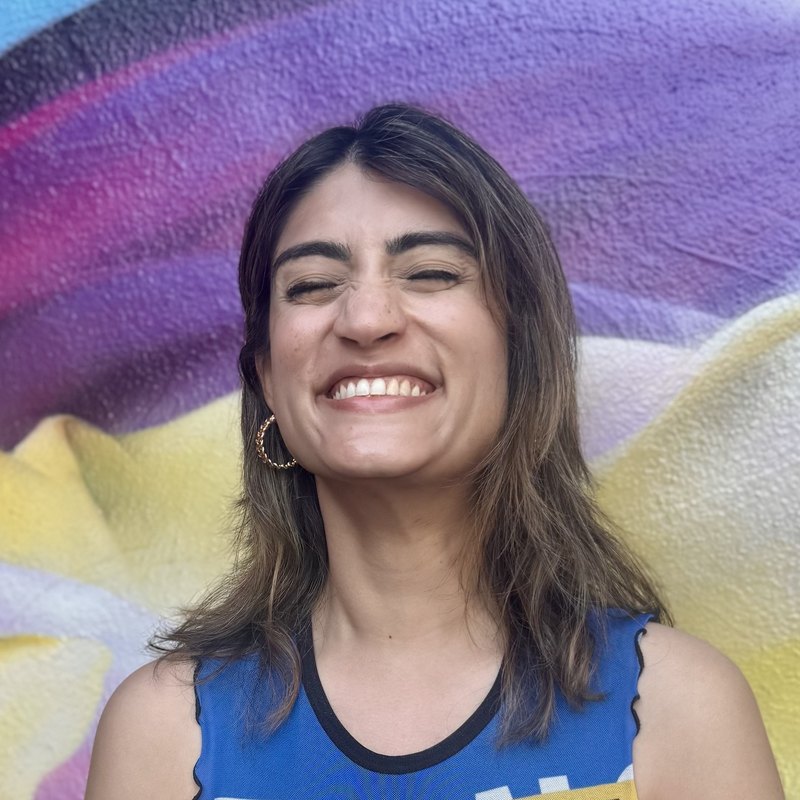
Tehreem Rehman, MD, MPH, MBA, practicing emergency physician and board-certified clinical informaticist. She is nationally recognized for her work on patient-facing AI, AI-augmented operations, and digital health equity.
What we believe
Clinicians build the pathways. AI follows them. Joy comes back to the bedside.
-
Standardized care is equitable, high-quality care.
The same evidence-based decision for every patient, whoever is on that day, removes the variation that operational stress and individual bias add.
-
Decide it once, together, so attention goes back to the patient.
A pathway settles the score, the criteria and the consult timing in advance. That cognitive offload is a structural fix for clinician wellness, and the time it frees belongs at the bedside.
-
Clinicians should build now.
Most clinical AI is pre-built, priced for health systems, and shaped without the clinicians who use it, so it often does not fit the workflow. The people with the subject-matter expertise and the workflow knowledge should write the decisions first, not be consulted at implementation.
-
A signed pathway is governance.
Clinicians already ask AI tools clinical questions with no way to tell whether the answer follows hospital protocols. A department’s signed, versioned pathway is what those answers can be checked against.
-
The record is the point.
Who decided what, when, on what evidence, and which version is current. The Approval Record is what makes a pathway defensible today and usable by AI tomorrow.
-
Free to build, for every department.
Small clinical groups and community departments should be able to build the same AI-drafted care pathways as a large academic center, without paying.
For every specialty and every setting
Emergency medicine is where it started, not where it stops.
The same decision gets remade at every bedside in hospital medicine, pediatrics, primary care, surgery and perioperative care, obstetrics, oncology, behavioral health and post-acute care, and the committee that is supposed to settle it looks the same in each. CarePathIQ is for every physician and for every clinician on the team: nurses, advanced practice providers (APPs), pharmacists, social workers, case managers and residents. It fits the ambulatory clinic that wants to manage more without a referral, the inpatient service that wants to discharge sooner with fewer tests, the community hospital and the physician group as much as the academic center.
Where it goes
Every AI a hospital runs will need a pathway to follow.
CarePathIQ is where a department decides, records, and signs the care pathways every AI in its hospital runs on. The pathway agent answers only from signed pathways: every answer traces to a signed step, in the version in force, and it can be tested on cases before anyone relies on it. Nothing reaches a patient until it is validated with clinicians, and nothing acts on a decision a department has not signed.